Spay/Neuter Care Guide
Key points for preparation and care before and after surgery.
Siberian Cat | Fuluck Cattery, Osaka
* This page is for general reference only. If you are concerned or symptoms are severe, please consult your veterinarian.
Quiet Rest Is Most Important After Surgery
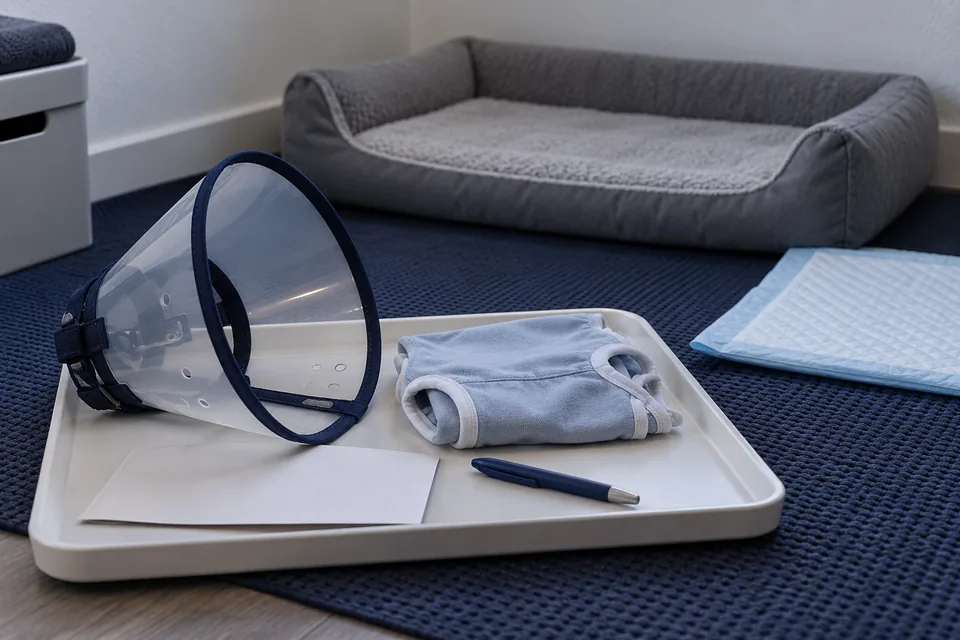
- Rest in a quiet place (cage recommended)
- Start with small meals (may vomit after anesthesia)
- Prevent licking the wound (use E-collar or post-op suit)
Different Points for Males vs. Females
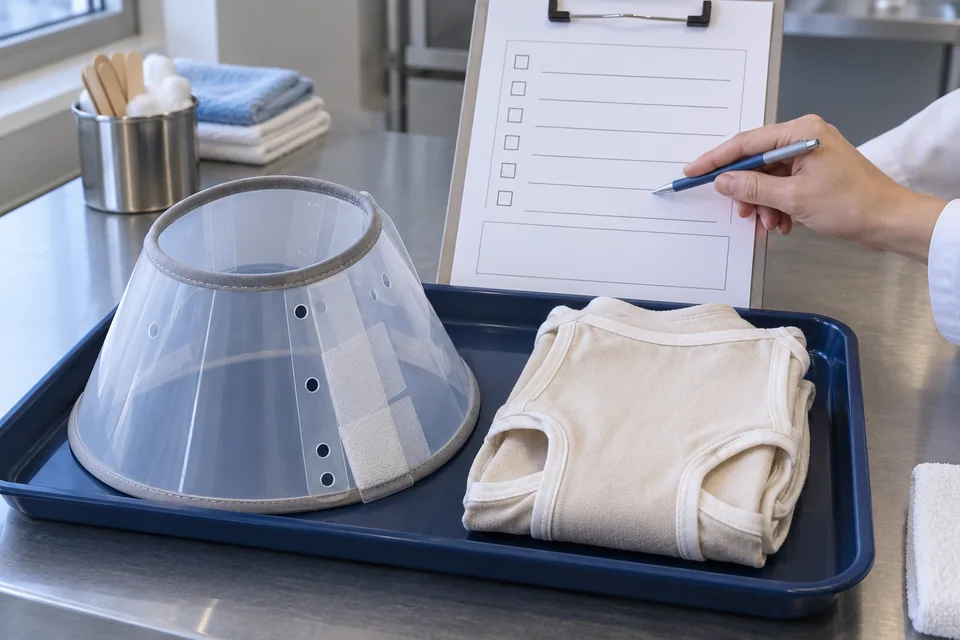
| Item | Male (Neuter) | Female (Spay) |
|---|---|---|
| Post-op suit | Not usually needed | Recommended (or E-collar) |
| Rest period | 1-2 days | 2-3 days (cage-centered) |
| Key points | Scrotal swelling subsides in a few days | No jumping, exercise restriction for 1 week |
| Suture removal | None (usually dissolvable sutures) | Follow vet instructions |
1-Week Overview

| Period | Condition |
|---|---|
| Day of surgery - next day | Sleepy, low appetite (normal). No need to force-feed. |
| Days 2-3 | Gradually energizing. Continue post-op suit. |
| Days 4-7 | Nearly normal. Still avoid jumping from high places. |
Benefits of Spaying/Neutering

- Prevents unwanted pregnancy
- Reduces spraying and heat-cycle vocalizations
- Prevents mammary tumors, pyometra, etc.
- Tends to make temperament calmer
When to See the Vet

- Not eating/drinking for over 24 hours
- Repeated vomiting
- Wound opening or bleeding that won't stop
- Heavy breathing or lethargy
- Fever (ears unusually hot)