
A Feeding Guide for Siberian Kittens — Age, Portions, and Food Choices
"Is my little one really getting enough to eat?" Among owners who have just welcomed a Siberian kitten, many feel uncertain about how much to feed, how often, and which food to choose. It is a stage when both overfeeding and underfeeding are easy to worry about, but proper nutrition tailored to the kitten's age is the foundation for healthy growth. This article offers a practical feeding guide that will also be useful to anyone who has worked through our guide to preparing for a kitten.
Feeding Frequency and Daily Amounts by Age
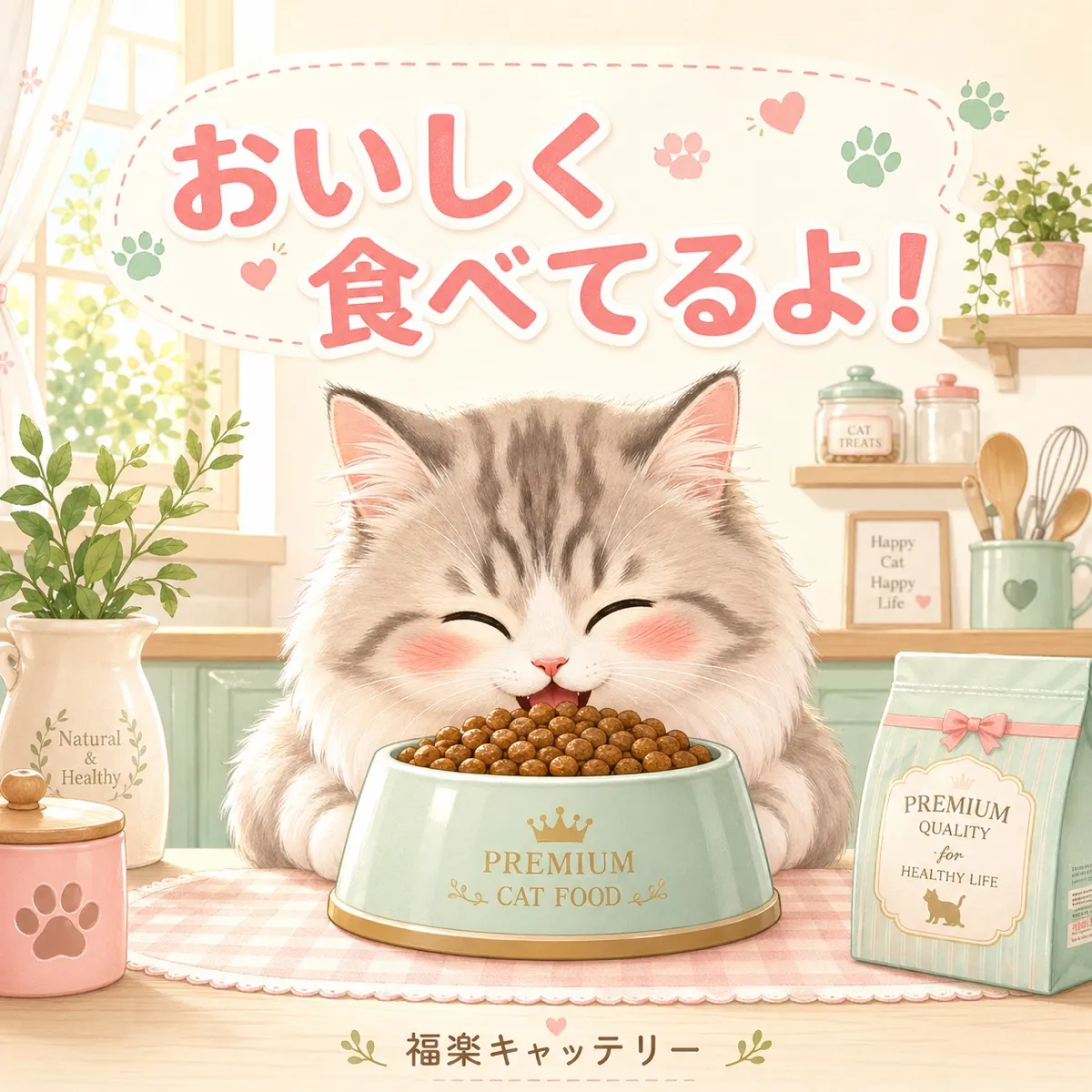
Because Siberians are a large breed, their nutritional needs during the growth phase are said to run somewhat higher than those of the average cat. That said, individual variation is considerable, so these figures should be treated as general guidelines rather than fixed rules.
How many times a day should you feed a 2–3 month old kitten?
From just after weaning until around three months of age, a kitten's stomach is small and its digestive system still developing. During this period it is common to offer small portions divided across four to five meals a day. As a daily total, a rough guide is roughly 40–50 g of dry food per kilogram of body weight, or about 100–120 g in wet-food equivalent. For high-nutrient, energy-dense foods, however, always follow the instructions on the package.
Is it okay to reduce the number of meals after 4–6 months?
Once a kitten passes four months, its digestion gradually matures and a transition to about three meals a day becomes possible. By around six months, many kittens move to two meals a day like adult cats, though appetite can be especially strong during the peak of the growth phase. At such times, rather than forcing the number of meals down, it is better to keep the nutritional balance steady and watch how your kitten responds.
- 2–3 months: 4–5 meals a day (small portions each)
- 4–6 months: 3 meals a day
- 7 months onward: aim to transition to 2 meals a day
How to Combine Dry and Wet Food
Rather than insisting on a single type of food, combining both can help secure adequate hydration while supporting dental health. Because Siberians are a long-haired breed, sufficient water intake is also important as part of hairball prevention.
Do you always have to feed wet food?
It is not essential, but in many cases it is recommended. Cats naturally tend not to drink much water, and getting moisture through food is considered beneficial, including for the prevention of chronic kidney disease. As a rough share, wet food at around 25–50% of total calories is common. That said, if your kitten is drinking enough water on a dry-only diet, there is no need to force a change.
What should you watch out for when switching foods?
Because an abrupt change of food can cause diarrhea or vomiting, it is common to transition gradually over 7 to 10 days. On the first day, start the new food at around 10% and increase the proportion a little each day. If you have food carried over from the breeder, first continue with that food, and consider switching only once your kitten has settled into its new environment.
- Transition period: aim for 7 to 10 days
- Starting proportion of new food: from 10%
- If your kitten is unwell, consult your veterinarian
What to Look for in Food for a Siberian Kitten
When choosing kitten food, it is wise to check whether it meets nutritional standards such as those of AAFCO or Japan's Pet Food Fair Trade Council. Taurine, DHA, and the calcium-to-phosphorus ratio are particularly important nutrients during the growth phase.
Is grain-free necessary?
Not necessarily. Unless a grain allergy has been confirmed, a high-quality food containing grains is perfectly fine. What matters in every case, whatever food you choose, is selecting a product whose protein source is clearly stated. A product that names specific ingredients such as "chicken" or "salmon" is preferable to one with vague labeling like "meat."
Drawing on our experience of graduating more than 200 Siberian kittens over the years, our cattery also offers food-selection advice tailored to each family's lifestyle. As a small-scale cattery in Joto Ward, Osaka, licensed as a Type 1 Animal Handling Business (220012A) and honored with the 2025 National No. 1 Award, we place great value on responsible breeding and lifelong aftercare.
Risky Practices to Avoid When Managing Meals
Among the things owners do out of love, some carry a risk of harming a kitten's health. We have gathered the points worth keeping in mind day to day.
Is it okay to give human food?
As a rule, it should be avoided. In particular, onions and other allium vegetables, scallions and leeks, chocolate, caffeinated drinks, bone-in meat, and excessively salty processed foods are dangerous. Cow's milk also frequently triggers lactose intolerance and can cause diarrhea. Even if your kitten shows interest, give it treats made specifically for cats.
Free feeding or scheduled feeding — which is better?
During kittenhood, scheduled feeding is often recommended. Because changes in appetite serve as a barometer of health, leaving food available at all times makes it harder to track how much your kitten is actually eating. It is common to consider free feeding only once growth has settled in adulthood, adjusting to the individual cat's temperament and daily rhythm.
- Never give: onions, chocolate, caffeine, bone-in meat
- Use scheduled feeding during kittenhood to manage intake
- Check weight and stool condition every day
In Closing: If You Have Any Concerns, Please Don't Hesitate to Reach Out
Managing a Siberian kitten's meals comes down to responding flexibly to its age and individual condition. The amounts and frequencies introduced in this article are no more than general guidelines; in practice, adjustments are needed for activity level, build, and even the season. If your kitten's appetite drops sharply, or vomiting or diarrhea persists, we recommend having it examined by a veterinarian early.
If you find yourself unsure about choosing food or feeding methods, please also take a look at our frequently asked questions. Our cattery is committed to ongoing support even after a kitten graduates, and we welcome questions about feeding through our official LINE account or a visit reservation. Let's build days of peace of mind for both kitten and owner, together.
Would you like to meet the kittens at 福楽キャッテリー?
We introduce kittens raised with great care for their health and socialization.
Feel free to reach out to us on LINE.